

Index
- Why curtains fade: the main factors
- How to dye cotton curtains: a step-by-step method
- Why dye doesn't cover old stains on curtains
- Products to revive fabric colors: what to use
- Prevent future fading: UV protection and maintenance
- DIY vs. Professional Cleaning: Cost Analysis
- Conclusion
Last updated: August 22, 2026
Why curtains fade: the main factors
Faded curtains are the result of a combination of environmental factors acting over time. Understanding the causes of fading is the first step in deciding how to revive your curtains and, more importantly, how to prevent further damage in the future.
L to UV rays is the main enemy of awnings. Research on UV damage to fabrics confirms that exposure to ultraviolet rays degrades fabric pigments, causing awnings to fade. This process is inevitable: every hour of direct sunlight accelerates color loss, especially if the awnings are left exposed without protection.
But the sun doesn't act alone. Air L plays an equally important role. Smog, dust, and smoke settle on curtains, contributing to the formation of a dull yellow color that makes the fabrics even duller. A study on the impact of air pollution on fabrics documented how the passage of time and continued exposure to the elements can cause curtains to yellow gradually and become difficult to reverse with simple washing.
L is the third critical factor. Highly humid environments, such as bathrooms and kitchens, create perfect conditions for mold and yellow stains to form. L of humidity and stain formation on fabrics highlights that humidity directly promotes the formation of mold and yellow stains on curtains, accelerating the overall deterioration of the fabric.
When these three factors—sun, pollution, and humidity—combine, the result is a fabric that loses not only its original color but also its vitality. It's at this point that many homeowners decide to replace their curtains. But there's an alternative: re-dye them.
How to dye cotton curtains: a step-by-step method
Dyeing cotton curtains is the most effective way to revive faded curtains and completely transform them. Unlike simple washing, the dye penetrates the fabric and restores the color permanently. The process is accessible even to those with no experience, but requires attention to detail.
Preparation and choice of color
Before you begin dyeing your curtains, preparation is essential. First, wash the curtains in hot water with a degreasing detergent to remove accumulated dust and dirt. This step ensures the dye is evenly distributed across the clean fabric.
Choosing the right color is the creative step. If you want to freshen up your curtains while maintaining a similar shade to the original, choose a color slightly darker than the current shade. If your curtains are very faded and yellowish, a deep black or dark gray will perfectly conceal the damage. For those seeking a bolder change, shades like bright lilac or deep blue will completely transform the space.

Hand dyeing vs. machine dyeing
There are two main methods for dyeing curtains: hand dyeing and machine dyeing. Each method has its own advantages.
Hand-dyeing offers the greatest control over the process. Fill a large basin with hot water (about 60°C), add the dye, and immerse the curtains, stirring constantly for 40 minutes. This method allows you to control the temperature, duration, and intensity of the color. It's ideal for small or medium-sized curtains and for those who want particularly uniform results. Hand-dyeing takes slightly longer, but the result is often more controlled.
Machine dyeing is faster and requires less supervision. Place damp curtains in the washing machine, add the dye directly to the drum, select a delicate cycle with hot water, and start the cycle. The washing machine automatically agitates the fabric, distributing the dye evenly. This method is perfect for large, heavy curtains that would be difficult to handle by hand.
Regardless of the method you choose, color retention is crucial. After dyeing, rinse the curtains in cold water until the water runs clear. Then apply a fixing agent like Aybel Fiske , a professional fixative, which locks the color into the fabric and prevents premature fading in subsequent washes.

Why dye doesn't cover old stains on curtains
One of the most common problems when dyeing curtains is finding that the dye doesn't completely cover old stains and yellowed areas. This happens because the dye works by coloring the fibers, not covering the damage like paint would.
Mold stains, sun-tarnished areas, and dust deposits have a color rooted in the fabric itself. When you apply new dye, the new color overlays the existing damage, but doesn't completely eliminate it. If the curtains are severely yellowed, a light color like gray or beige won't cover the underlying yellow. However, a dark color like black, charcoal, or navy blue will effectively hide the damage.
The solution is twofold. First, choose a color dark enough to mask imperfections. Second, before dyeing, try removing visible stains by washing the curtains with baking soda or an enzymatic detergent. This won't completely eliminate the damage, but it will reduce the overall yellowing, allowing the new dye to adhere better and cover more effectively.
If the stains are extremely stubborn, consider a professional cleaning treatment before dyeing. This increases the overall cost, but guarantees significantly better results, especially on expensive or particularly delicate fabrics.
Products to revive fabric colors: what to use
Reviving faded curtains requires the right products. Besides the dye itself, there are several products that significantly improve the final results.
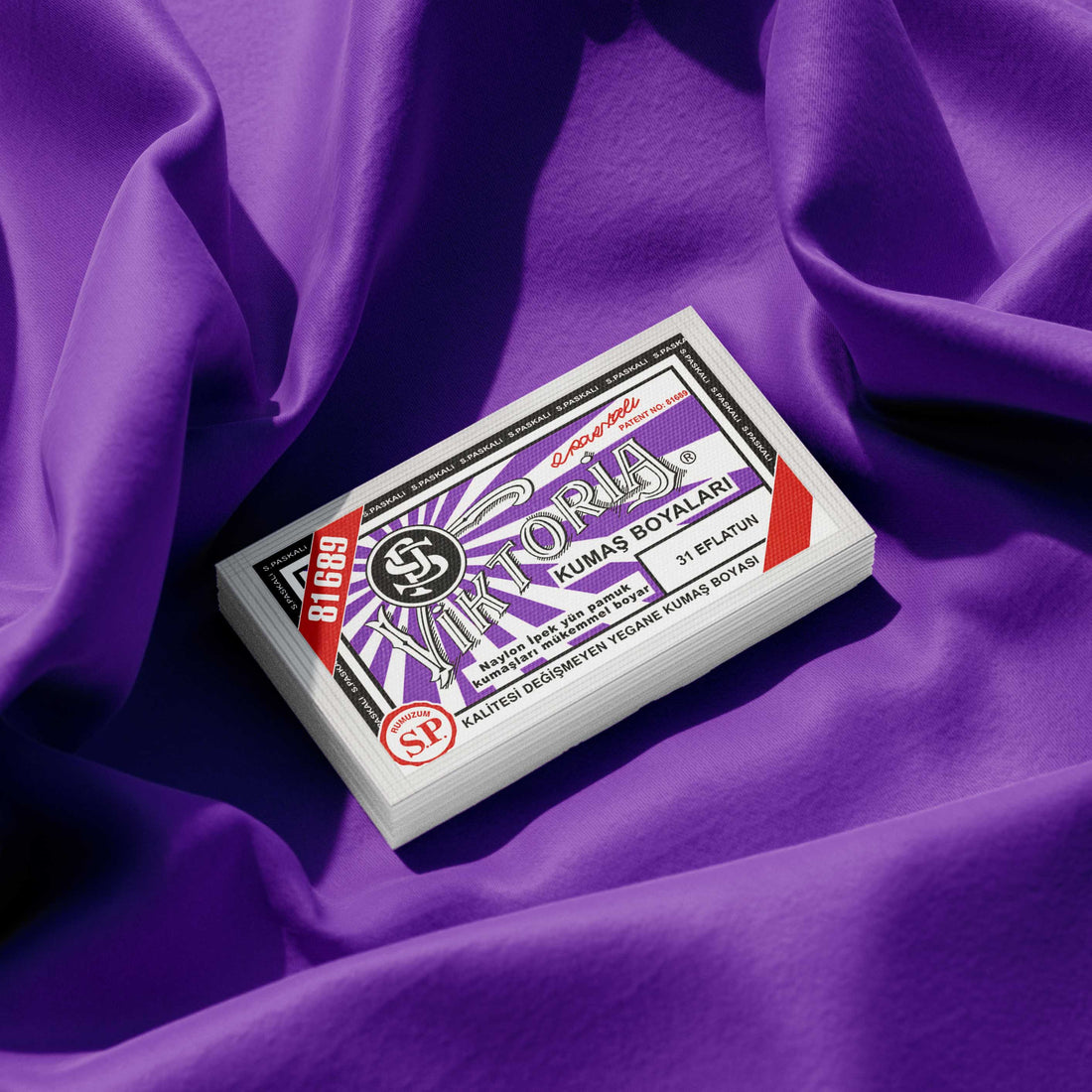
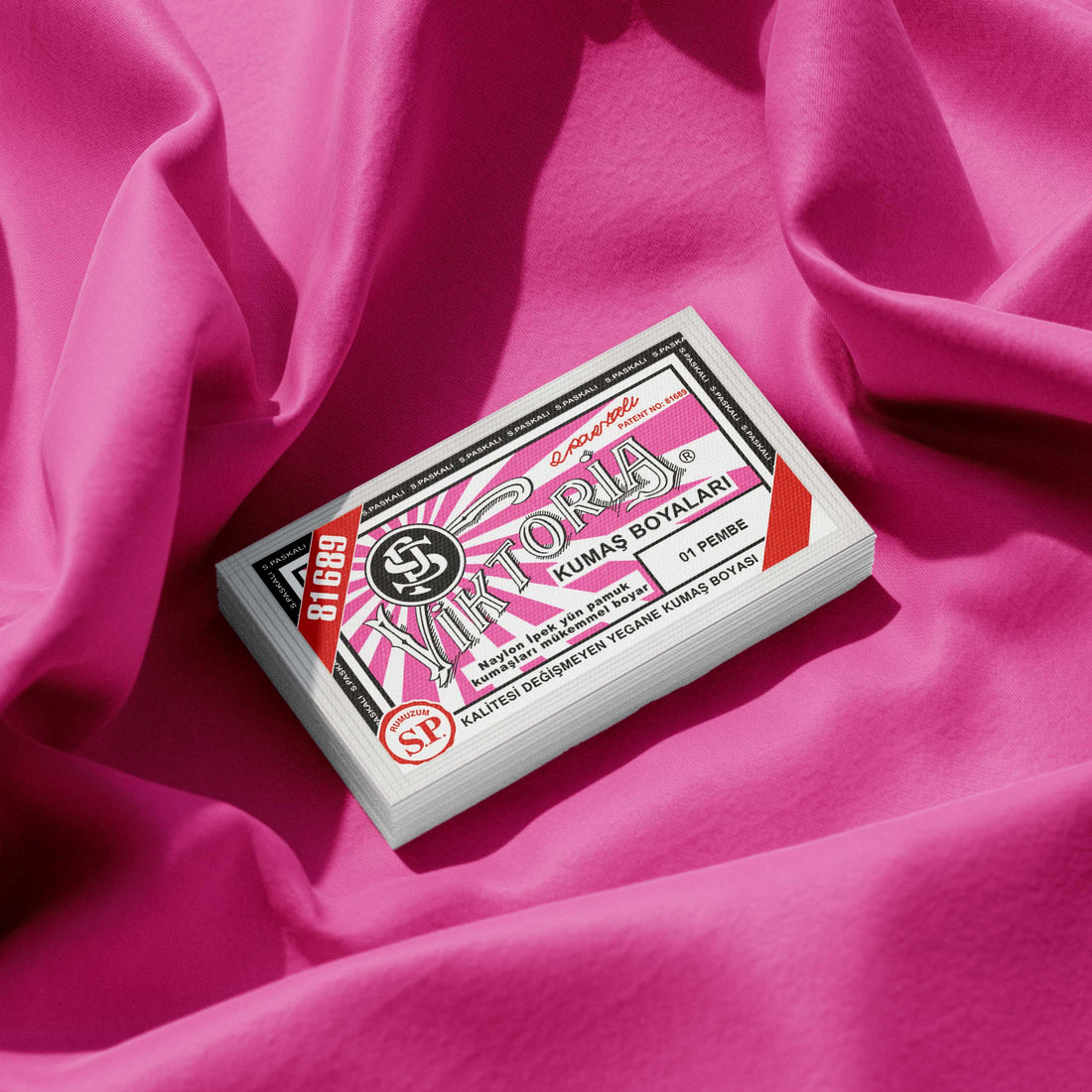
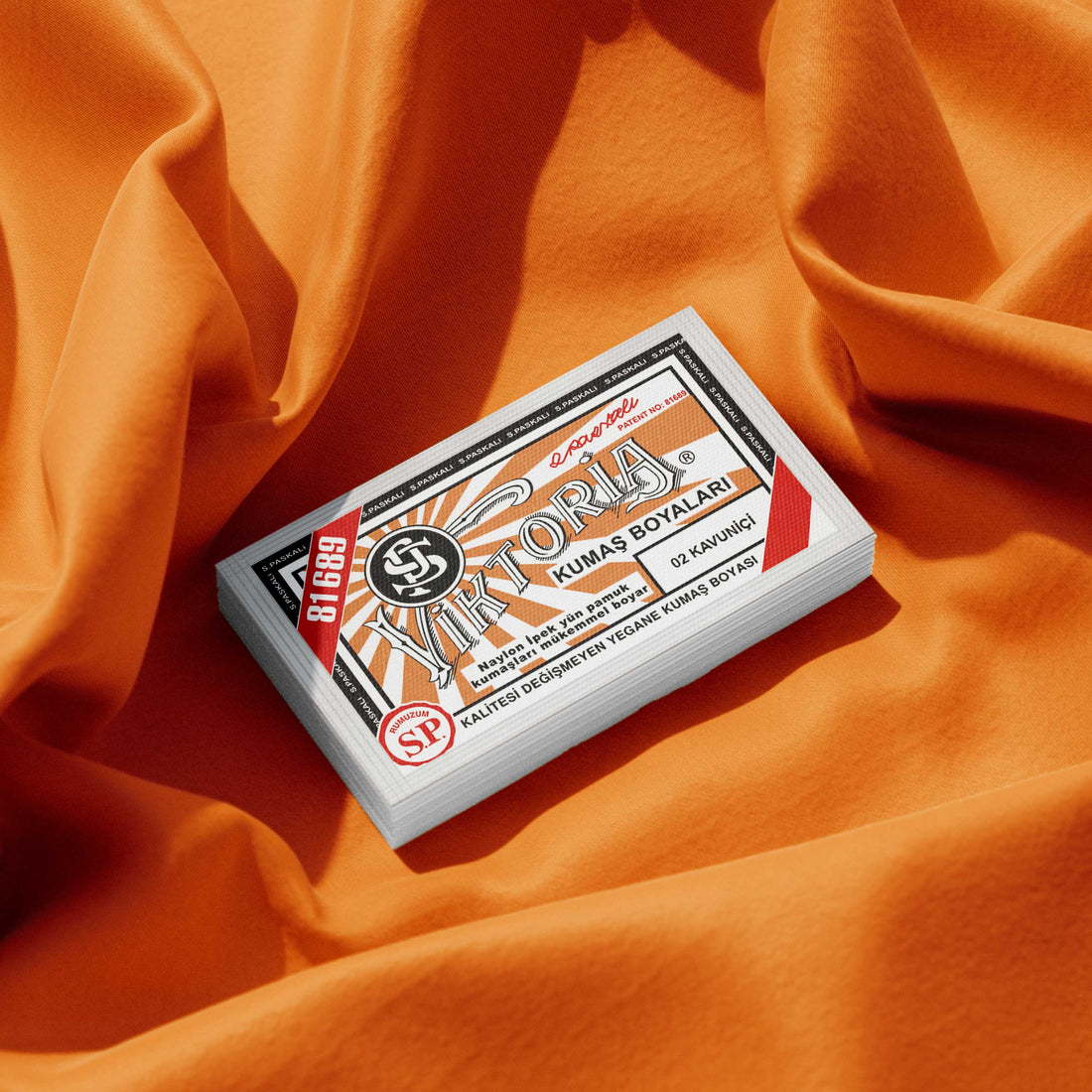
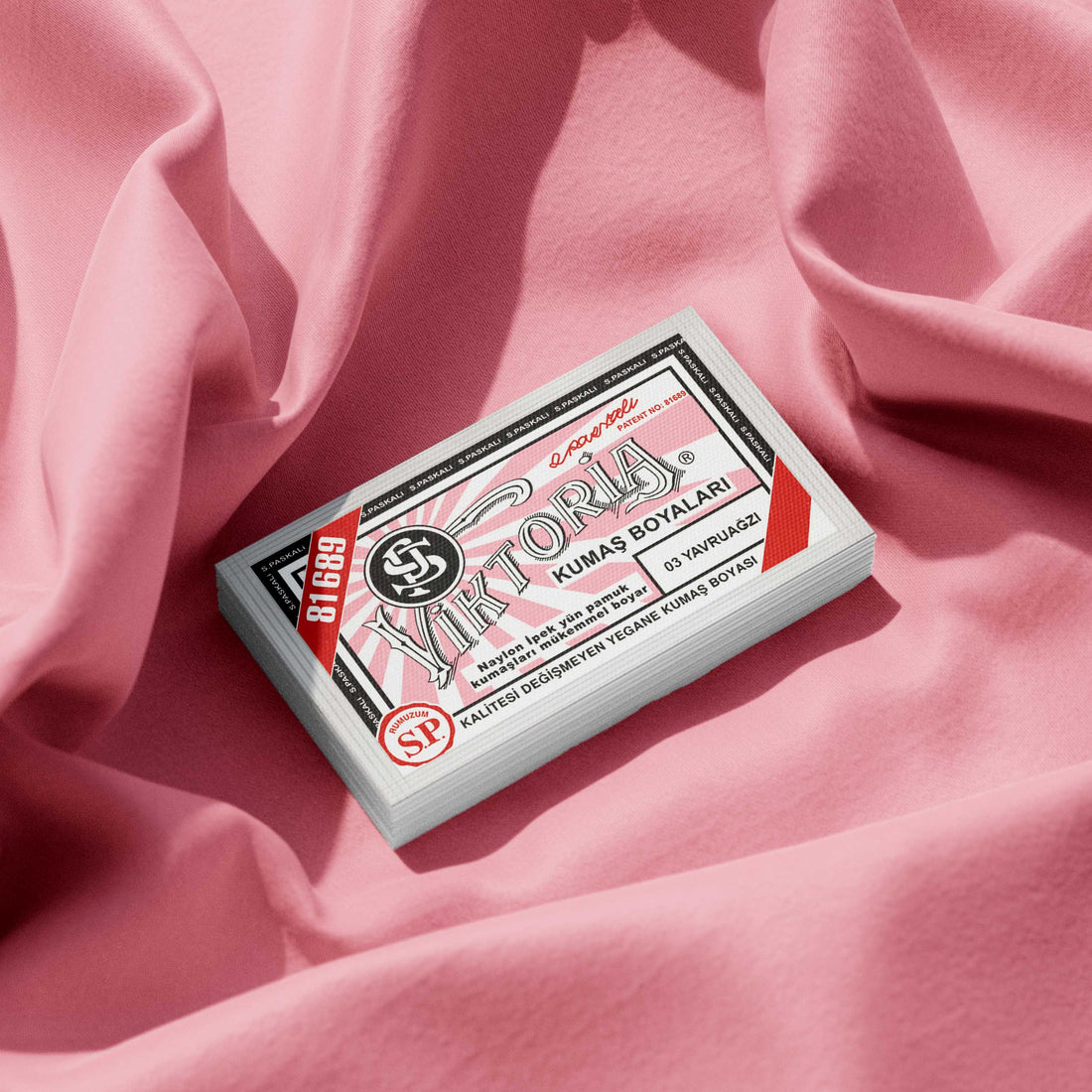
Professional-quality fabric dyes are the foundation. Aybel dyes are specifically formulated for cotton, wool, silk, linen, viscose, bamboo, and polyamide, ensuring consistent, long-lasting results. Aybel fabric dyes, priced at €4.99, offer a wide variety of shades and are the ideal choice for completely covering fading.
Fixing agents are essential for fixing color in fabric. Aybel's Fiske Fixing L , €4.99, is a professional fixative that can be used both in the washing machine and by hand.
Gentle detergents are important for preparing curtains before dyeing. A detergent specifically designed for delicate fabrics removes dirt and dust without damaging the fibers. Avoid bleach and harsh products, which weaken the fabric and cause accelerated yellowing over time.
UV-protective sprays provide additional protection after dyeing. While not dyes themselves, these products create an invisible barrier that protects the color from direct sunlight. Apply them to curtains once a month during the summer months to maximize color longevity.
Prevent future fading: UV protection and maintenance
Once you've refreshed your curtains with a new dye, the goal is to keep them beautiful for as long as possible. Preventing future fading is just as important as the dye itself.
UV protection is the primary defense. Install roller shades or internal blinds behind the main curtains to reduce direct sun exposure. If this isn't possible, apply a UV-protective spray to the curtains every four to six weeks during the summer months.
Regular maintenance prevents the accumulation of dirt and moisture. Vacuum your curtains once a month with a soft attachment to remove dust and smog. In humid areas like bathrooms and kitchens, make sure the curtains dry completely every day. If you notice mold stains, treat them immediately with a solution of equal parts white vinegar and water.
Rotating your curtains is a simple but effective technique. If your windows receive direct sunlight for many hours a day, consider rotating them every three months, alternating the most exposed ones with those in darker areas. This distributes wear and tear evenly and prolongs the overall life of the curtains.
Gentle washes maintain the color's vividness. Wash curtains every 3-4 months in cold water with a mild detergent. Avoid the washing machine for maintenance washes, preferring hand washing or a very delicate cycle. Cold L preserves the color much better than hot water.
DIY vs. Professional Cleaning: Cost Analysis
When deciding how to freshen up your curtains, choosing between DIY and professional services depends on your budget, available time, and the complexity of the job.
DIY dyeing is the most economical option. One Aybel dye costs €4.99, the fixing agent €4.99, and the other materials (detergent, basin, thermometer) cost about €15-20 in total. For a standard set of curtains, the total cost is €25-30. The time required is about 2-3 hours, including preparation, dyeing, and drying. The main advantage is complete control over the result and the ability to completely customize the color.
Professional repair and dyeing services cost significantly more, with fees ranging from €100 to €500 depending on the size and complexity of the job. The advantage is the guarantee of consistent, professional results and the ability to entrust the job to experts who know how to handle delicate fabrics.
Professional cleaning before DIY dyeing is a compromise. You pay €50-100 for a professional cleaning, then dye the curtains yourself. This approach combines the control of DIY with the quality of professional cleaning, reducing the risk of residual stains that could compromise the final result.
Option |
Total Cost |
Time |
Result |
Best For |
|---|---|---|---|---|
Complete DIY |
€25-30 |
2-3 ore |
Good, customizable |
Limited budget, small tents |
DIY + professional cleaning |
€75-130 |
3-4 hours + waiting |
Very good |
Very dirty curtains, uniform results |
Complete professional service |
€150-500 |
0 hours (assigned) |
Excellent |
Large curtains, delicate fabrics, top quality |
The choice depends on your priorities. If you want to save money and have time available, DIY with Aybel dyes is the ideal solution. If your curtains are badly damaged or if you prefer to delegate, a professional service guarantees superior results.
Reviving faded curtains doesn't necessarily require replacing them. With the right products and the right method, you can completely transform the look of your curtains and your home. Aybel offers a full range of fabric dyes, fixatives, and accessories that make the process simple and accessible to everyone. Start with a quality dye, apply a professional fixative like Fiske Fixative, and protect the result with regular maintenance. The cost is minimal, the time is limited, and the result is a completely renewed home.
Frequently Asked Questions
Is it possible to repair fabric faded by the sun?
Yes, sun-faded fabric can be revived with fabric dye. L to UV rays degrades the natural pigments, but a new dye restores the color. For best results, choose a shade similar to the original or darker. Products like those from Aybel work on cotton, wool, silk, and other natural fibers, allowing you to transform sun-damaged curtains into like-new pieces.
How to freshen curtains without washing them?
If you prefer not to wash your curtains, you can use a color-reviving spray or a dry-cleaning treatment. However, the most effective method for truly reviving the color is dyeing, which requires a short wash. If the curtains are only slightly dull, gentle vacuuming and a UV protection spray can temporarily improve their appearance without soaking the fabric.
What's the best way to freshen up curtains?
The best approach depends on the type of damage. For sun-induced fading, dye is the most long-lasting solution. Start by washing the curtains with a mild detergent in cold water, then apply the dye according to the instructions. For stains or odors, use baking soda before dyeing. Set the color with a fixing agent like Aybel Fiske to ensure long-lasting results.
How much does it cost to dye curtains compared to buying new ones?
Dyeing curtains is significantly cheaper than buying new ones. Fabric dye starts at €4.99, and Aybel Fiske's fixing agent costs €4.99. Even with additional accessories, the total cost remains under €20, while new, quality curtains easily cost €50–200 or more. This makes dyeing a sustainable and affordable option for those who want to avoid fast fashion.